
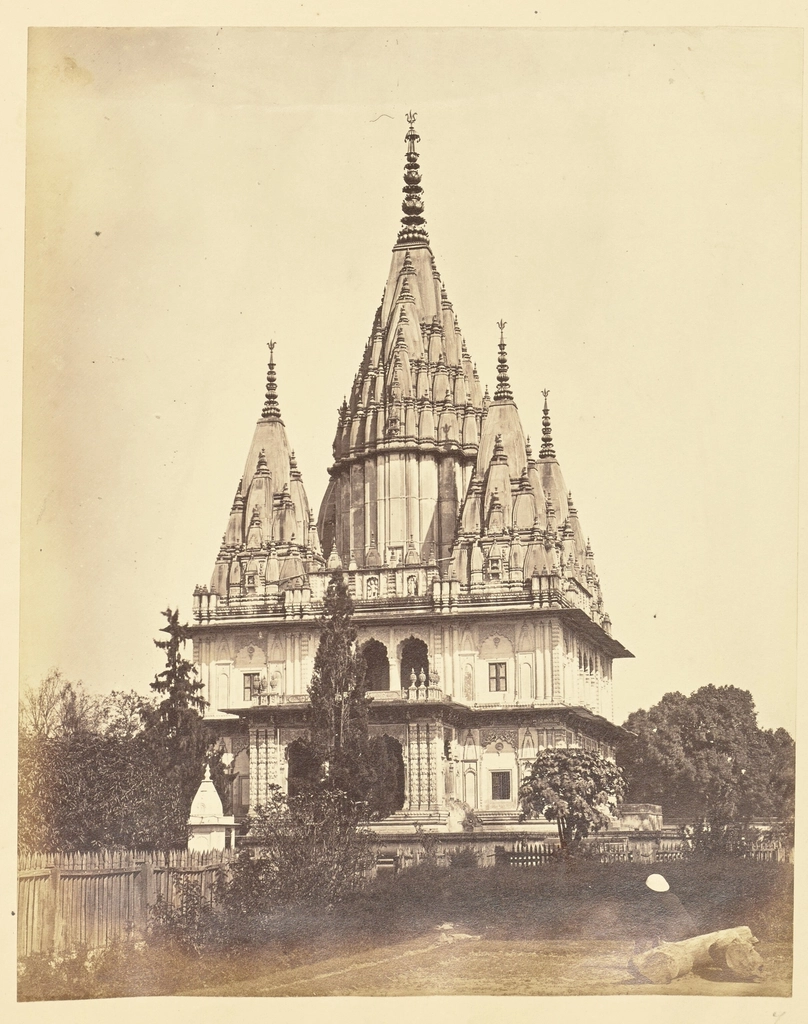
Temples & Spiritual Sites in Rishikesh — A guide to Laxman Jhula, Ram Jhula, Neelkanth Mahadev and more. This guide to temples in rishikesh covers what to expect, when to go, and how to plan your visit.
A Town Built Around Faith
Rishikesh has been a pilgrimage stop for centuries, sitting on the traditional route to the Char Dham shrines further up in the Himalayas. Its temples and sacred bridges range from centuries-old riverside shrines to newer, elaborately built complexes, and many double as social and cultural landmarks beyond their religious role.
Key Sites to Visit
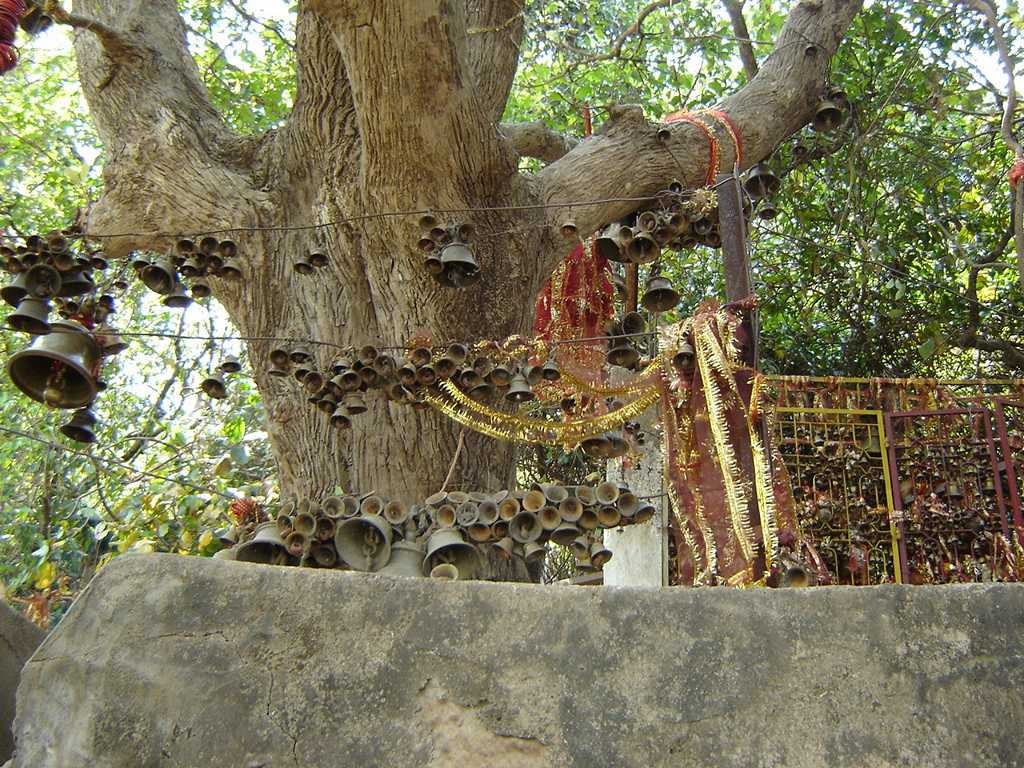
- Laxman Jhula — an iconic pedestrian suspension bridge across the Ganges, associated with a legend of Lakshman crossing the river on jute ropes; lined with small shops and temples on both banks
- Ram Jhula — a similar, slightly larger suspension bridge downstream, connecting several major ashrams including Swarg Ashram and Parmarth Niketan
- Neelkanth Mahadev Temple — a Shiva temple set roughly 12 km into the hills above Rishikesh, associated with the legend of Shiva consuming poison during the churning of the ocean
- Bharat Mandir — one of the oldest temples in Rishikesh, located in the town centre and dedicated to Lord Vishnu
- Kunjapuri Devi Temple — a hilltop Shakti Peeth temple known equally for its Himalayan sunrise views
Visiting Etiquette
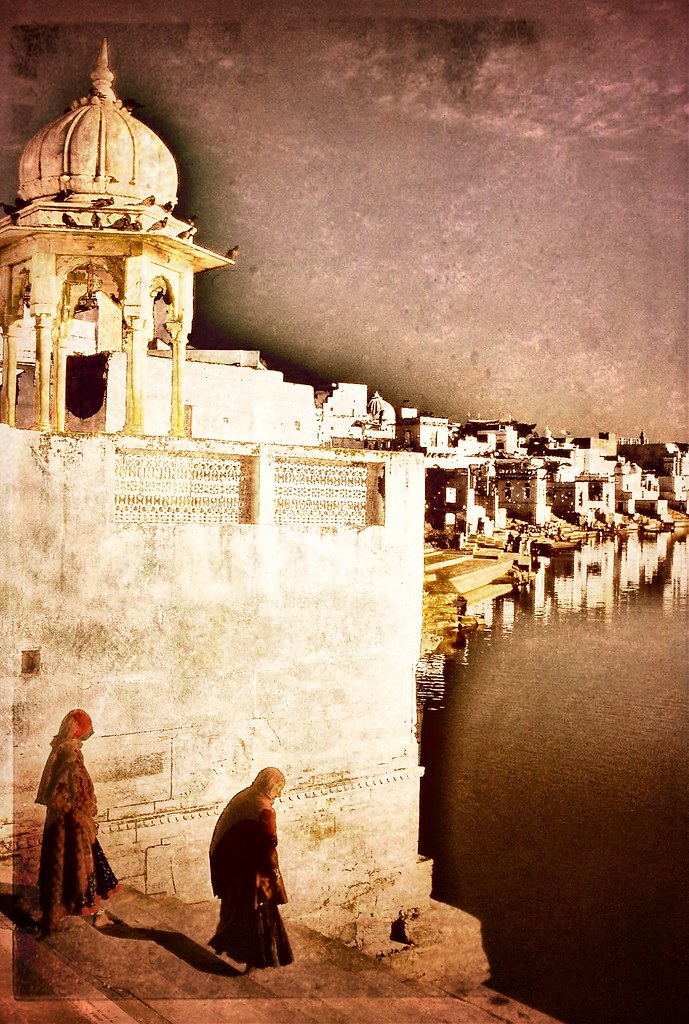
Modest dress is expected at all temples — shoulders and knees covered, footwear removed before entering the inner sanctum. Photography rules vary by site, so look for posted signs, and avoid photographing priests or rituals up close without asking first.
Rishikesh’s temples and ashrams are generally welcoming to visitors of all backgrounds, though some inner sanctums restrict entry to worshippers during specific rituals.
Planning Your Visit
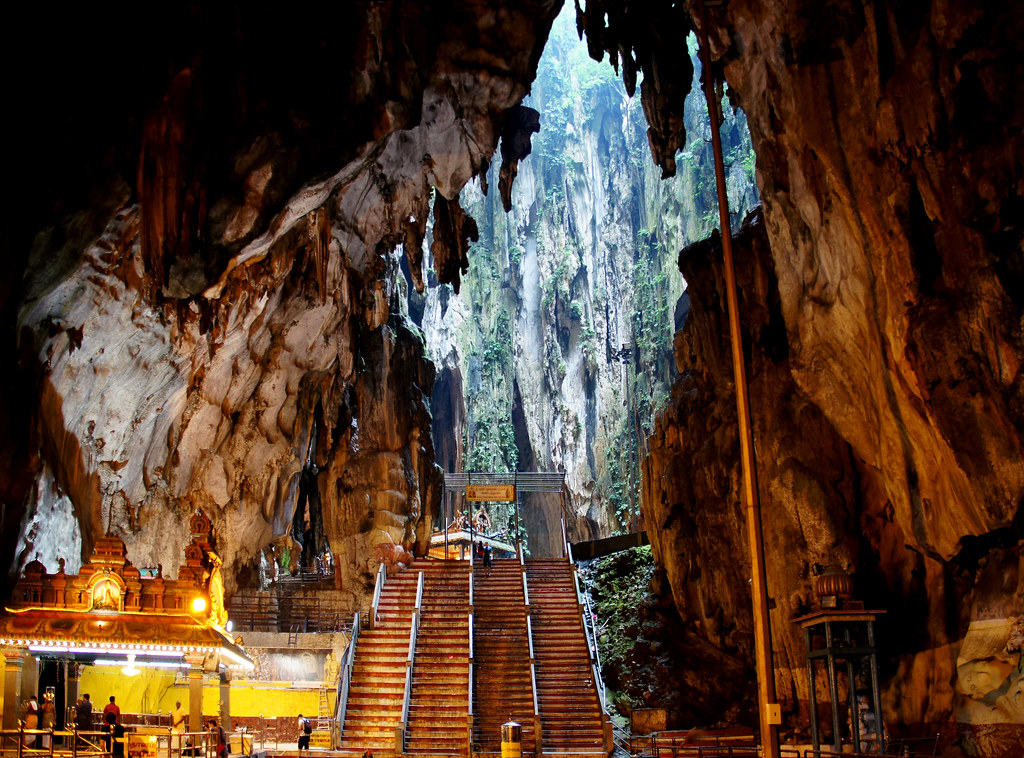
- Neelkanth Mahadev is best combined with a scenic drive or short trek, since the road up offers valley views along the way
- Visit Laxman Jhula and Ram Jhula in the late afternoon to combine temple visits with the evening Ganga Aarti nearby
- Kunjapuri is best visited at sunrise, which means leaving Rishikesh before dawn
Good to Know
- Neelkanth Mahadev Temple sits about 12 km from town and can be reached by road or a scenic trek.
- Kunjapuri Devi Temple is best visited before sunrise for its Himalayan panorama.
Getting There
Central temples like Bharat Mandir, Laxman Jhula and Ram Jhula are all walkable within the town. Neelkanth Mahadev is about 12 km away, roughly a 45-60 minute drive on winding hill roads, while Kunjapuri Devi Temple sits about 22 km from town, best visited before sunrise.
Frequently Asked Questions
Is there an entry fee for these temples?
Most temples in and around Rishikesh, including Neelkanth Mahadev and Bharat Mandir, are free to enter, though donation boxes are commonly present.
Can vehicles cross Laxman Jhula or Ram Jhula?
Laxman Jhula is pedestrian and two-wheeler only, and even that has faced periodic restrictions; Ram Jhula historically allowed limited vehicle access but is increasingly managed for pedestrians as foot traffic has grown.
How far is Neelkanth Mahadev from the town centre?
It’s roughly 12 km from Laxman Jhula, about a 45-60 minute drive on winding hill roads, or a longer trekking route for those who prefer to walk up.
For official travel advisories and permits, see the Uttarakhand Tourism department site.
Related Guides
- River Rafting in Rishikesh: The Complete Guide
- Where to Stay in Rishikesh: Hotels & Resorts Guide
- Ganges Riverside Camping Near Rishikesh
Popular Searches
temples in rishikesh neelkanth mahadev temple laxman jhula rishikesh ram jhula rishikesh kunjapuri devi temple bharat mandir rishikesh neelkanth mahadev trek rishikesh temple timings river rafting in rishikesh hotels in rishikesh camping in rishikesh bungee jumping in rishikesh yoga ashram in rishikesh ganga aarti rishikesh timing trekking near rishikesh waterfalls near rishikesh restaurants in rishikesh kayaking in rishikesh homestay in rishikesh