
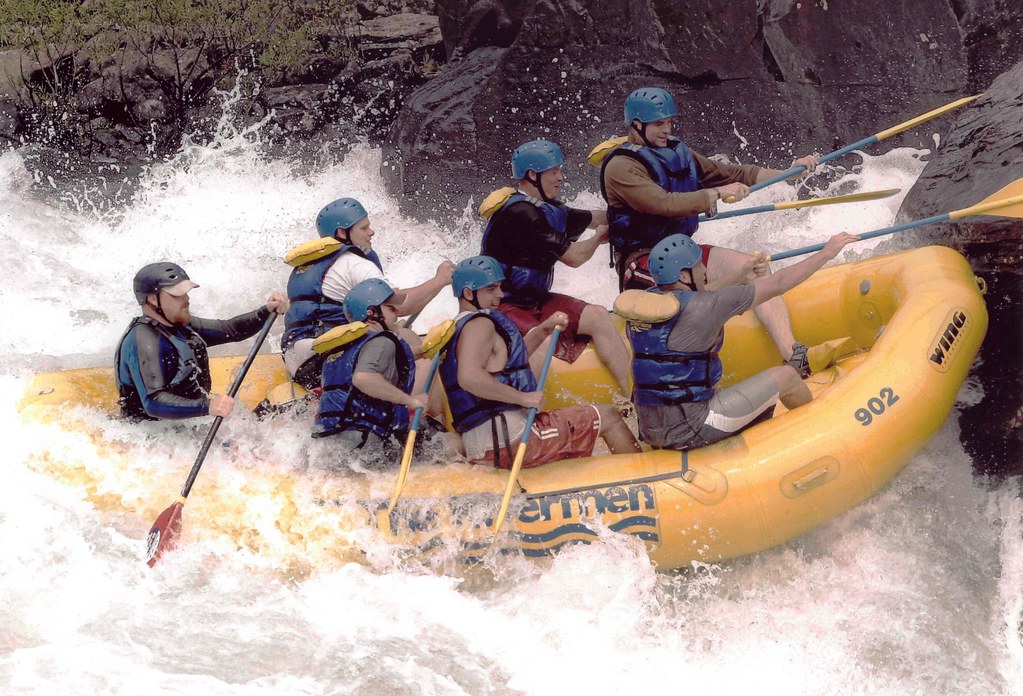
River Rafting in Rishikesh: The Complete Guide — Everything you need to know before you hit the rapids of the Ganges. This guide to river rafting in rishikesh covers what to expect, when to go, and how to plan your visit.
Why Rishikesh Is India’s River Rafting Capital
Rishikesh sits at the point where the Ganges leaves the Himalayan foothills and widens into the plains, which gives the river a rare combination of strong, technical rapids and calm recovery pools. That mix, along with easy road access from Delhi and Dehradun, is why the town has grown into India’s best-known rafting destination over the last two decades.
The season typically runs from mid-September to the end of June, with a break during the monsoon months (roughly mid-July to early September) when the river runs too high and fast for safe commercial rafting.
Popular Rafting Stretches
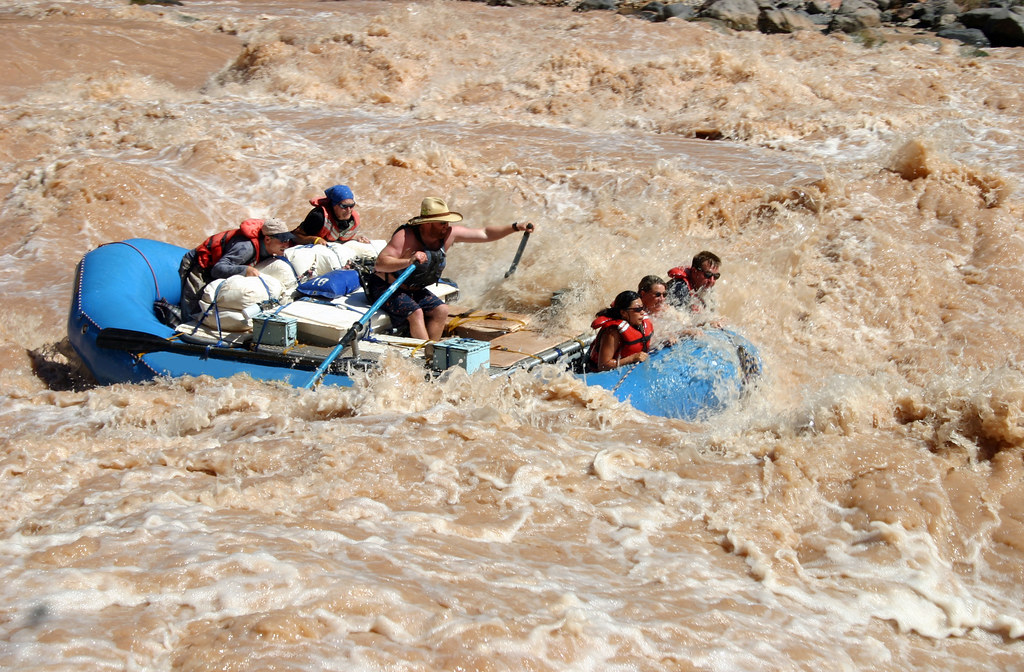
Operators offer a handful of standard stretches, each suited to a different comfort level:
- Brahmpuri to Rishikesh (9 km, roughly 1 hour) — gentle rapids, good for first-timers and families
- Shivpuri to Rishikesh (16 km, 2-2.5 hours) — the most popular stretch, mixing grade II-III rapids with flat stretches for swimming
- Marine Drive to Rishikesh (25 km, 3-3.5 hours) — longer run for people who want more time on the water
- Kaudiyala to Rishikesh (35+ km, full day) — the most technical run, with grade III-IV rapids, usually for experienced or adventurous rafters
What a Typical Trip Includes
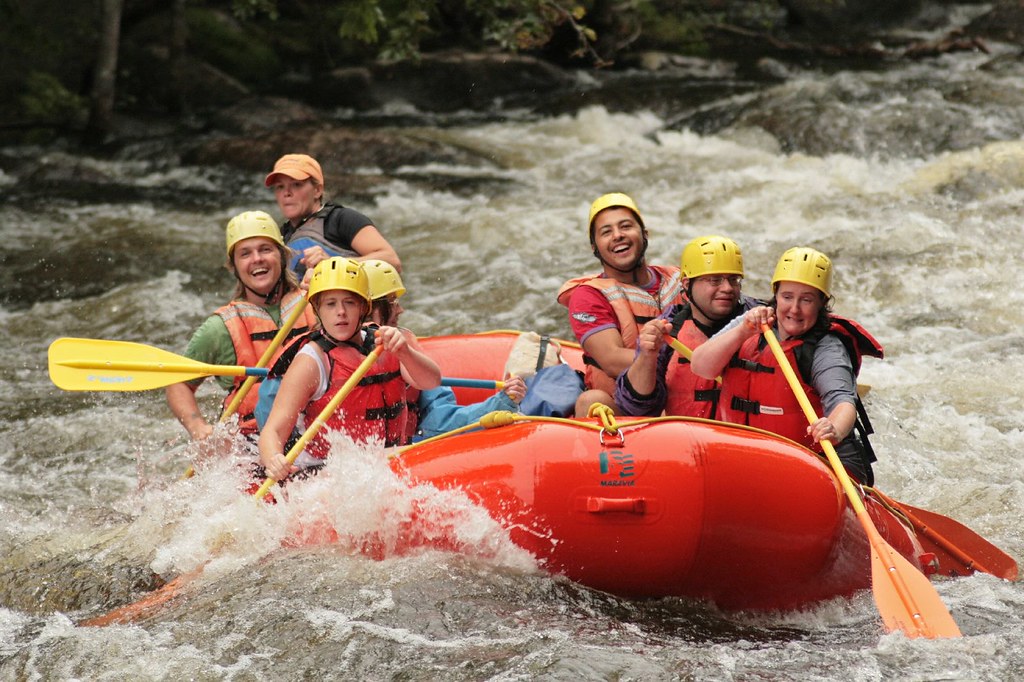
A standard package includes a certified raft guide, life jackets, helmets, paddles, and a support kayak or safety boat following the group. Most operators also provide a dry bag for phones and wallets, though it’s safer to leave valuables at your hotel.
Prices vary by stretch and season, but as a rough guide, the short Brahmpuri stretch tends to be the most affordable, while Kaudiyala’s full-day run costs several times more because of the transport and extra safety staff involved. Always confirm the exact price, group size, and what’s included before booking.
Safety Tips
- Book only with operators registered with the Uttarakhand Tourism Development Board and rafting association
- Wear the life jacket and helmet at all times on the water, even in calm stretches
- Don’t raft during or right after heavy rain, when the water rises quickly
- Secure loose items or leave them behind — most rafts capsize riders at least once on the bigger rapids
- Follow your guide’s swimming position instructions (feet-first, facing downstream) if you fall in
Best Time to Go
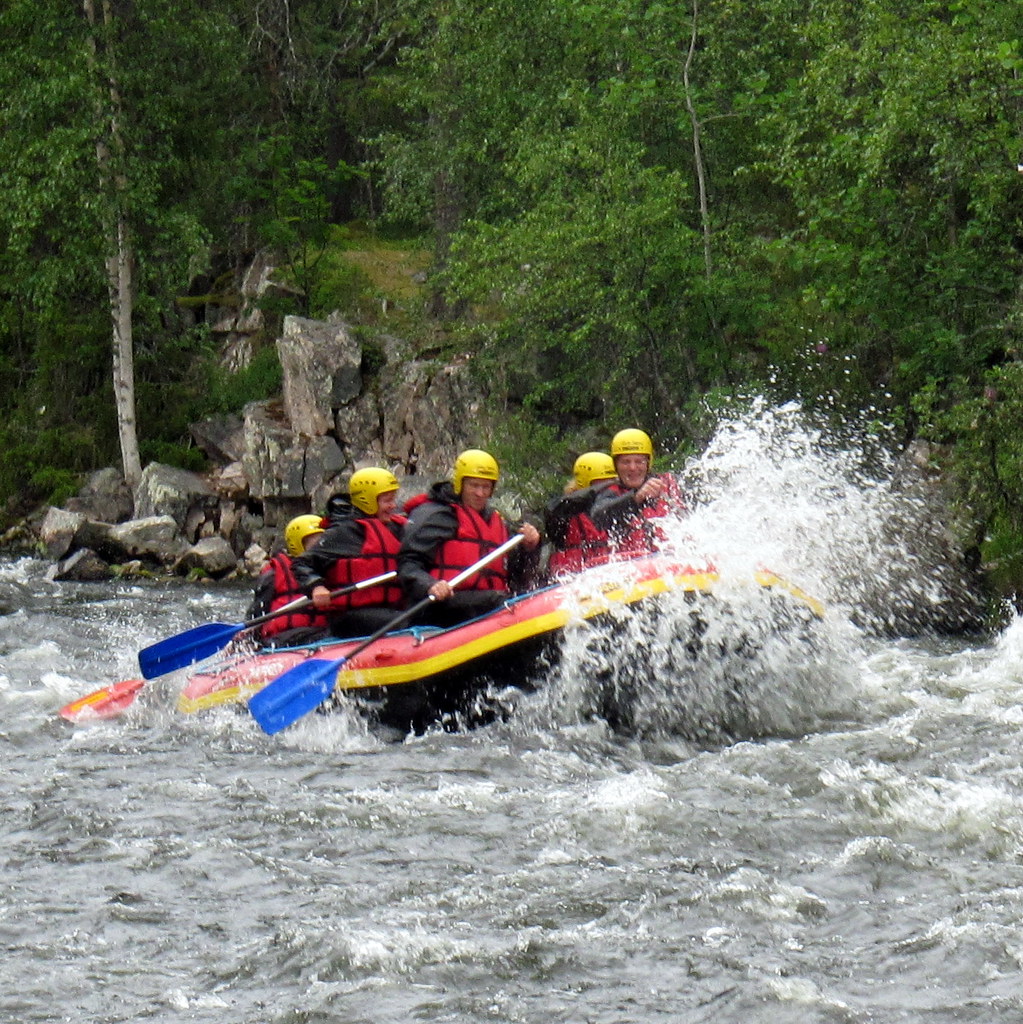
October to mid-June is the main window. Autumn (October-November) brings clear water and pleasant weather. Winter (December-February) is cold but doable with a wetsuit, which most operators provide. Summer (March-June) has warm water and is the busiest period, so book a day or two ahead on weekends.
Good to Know
- River rafting rishikesh price generally scales with distance and season, with the short Brahmpuri run costing least and full-day Kaudiyala or Devprayag expeditions costing the most.
- The rafting season runs 15 September to 30 June, split into gentle grade I-II stretches for beginners and grade III-IV+ sections for experienced rafters.
- Age eligibility is commonly 14 to 60 years, and non-swimmers can join the shorter stretches since a life jacket stays on at all times.
- The longer stretches pass through named rapids that local crews have nicknamed over the years, including spots known as Daniel’s Dip, The Wall, Roller Coaster and Terminator.
- The longest option, Devprayag to Rishikesh, covers about 72 km over two days, starting from the sacred confluence where the Ganga is formed.
Getting There
Rishikesh is about 230 km (roughly 6 hours by road) from Delhi, and 35 km from Dehradun’s Jolly Grant Airport, the nearest airport. Rishikesh Railway Station and Haridwar Junction (25 km away) are the closest major rail links. Most rafting operators pick clients up from hotels in Tapovan or Laxman Jhula and drive them to the put-in point for their chosen stretch.
Frequently Asked Questions
Do I need to know how to swim?
It helps but isn’t mandatory on the shorter stretches, since you’ll be wearing a life jacket at all times and a safety kayak follows the raft. For the longer, more technical stretches, basic swimming ability is recommended.
Is rafting in Rishikesh safe for kids and elderly people?
The short Brahmpuri stretch is generally suitable for children above 12-14 (age limits vary by operator) and reasonably fit older adults. The longer, higher-grade stretches are better suited to fit, confident swimmers.
What should I wear?
Quick-dry clothes or swimwear, secured footwear (not flip-flops), and a change of clothes for after. Sunscreen and a strap for your sunglasses are useful extras.
For official travel advisories and permits, see the Uttarakhand Tourism department site.
Related Guides
- Where to Stay in Rishikesh: Hotels & Resorts Guide
- Ganges Riverside Camping Near Rishikesh
- Bungee Jumping & Giant Swing in Rishikesh
Popular Searches
river rafting in rishikesh rishikesh river rafting price best time for river rafting rishikesh river rafting rishikesh age limit shivpuri to rishikesh rafting rishikesh rafting for beginners kaudiyala rafting devprayag to rishikesh rafting rishikesh rafting grades rafting camps near rishikesh rishikesh rafting with camping hotels in rishikesh camping in rishikesh bungee jumping in rishikesh yoga ashram in rishikesh ganga aarti rishikesh timing trekking near rishikesh waterfalls near rishikesh temples in rishikesh restaurants in rishikesh kayaking in rishikesh homestay in rishikesh